


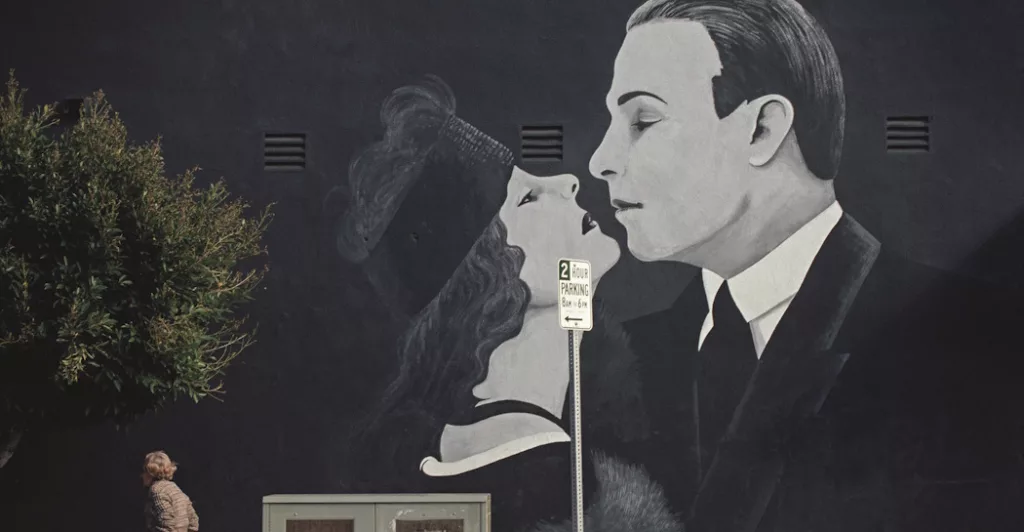
Museo Carlo Bilotti: Twenty Years of Contemporary Art in the Heart of Villa Borghese
Twenty years may seem a short span in the history of a city such as Rome, yet they mark a significant milestone for a museum that has established itself as one of the Capital’s most distinctive venues for contemporary art. In 2026, the Museo Carlo Bilotti – Aranciera di Villa Borghese celebrates the twentieth anniversary of its opening, which took place on 10 May 2006, and reflects on a story shaped by patronage, heritage preservation, and a fruitful dialogue between past and present.
The museum owes its existence to Carlo Bilotti, the Italian-American entrepreneur and collector who chose to donate an important part of his art collection to the City of Rome. This remarkable act of generosity made it possible to transform the historic Orangery of Villa Borghese into an exhibition space dedicated to twentieth-century and contemporary art, giving new life to a building deeply connected to the history of the park.

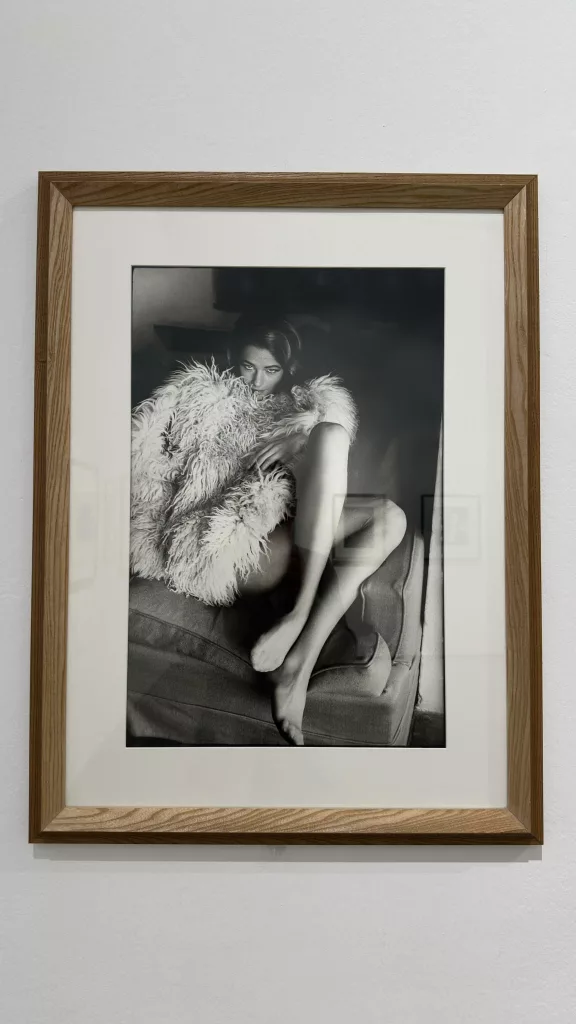
Originally known in the eighteenth century as the Casino dei Giuochi d’Acqua, the Orangery was among the most fascinating structures within Villa Borghese. After suffering damage in 1849 and undergoing subsequent alterations, it gradually lost its original function. A major restoration project promoted by the Municipality of Rome eventually restored its architectural value, turning it into a cultural venue open to residents and visitors from around the world.
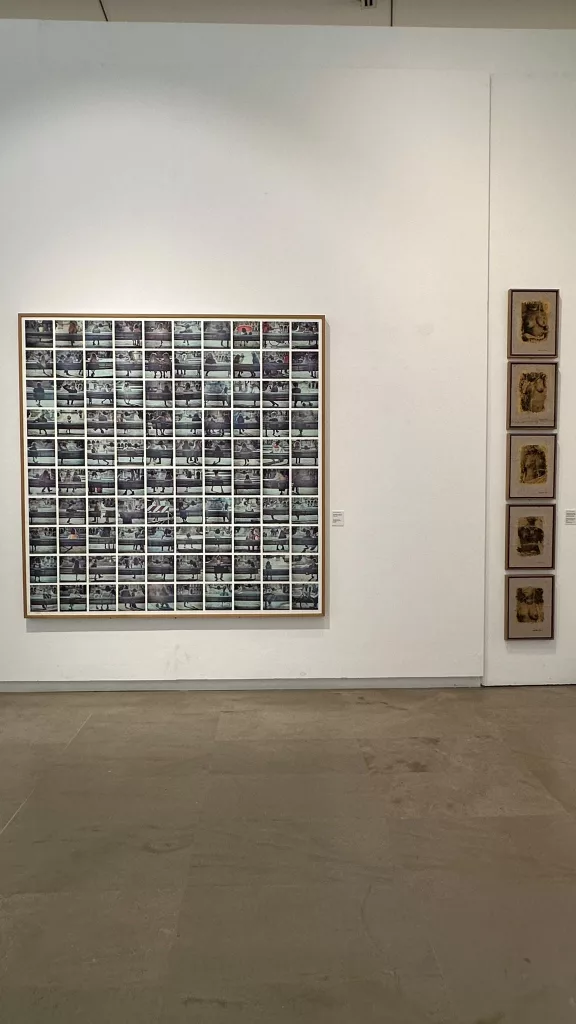
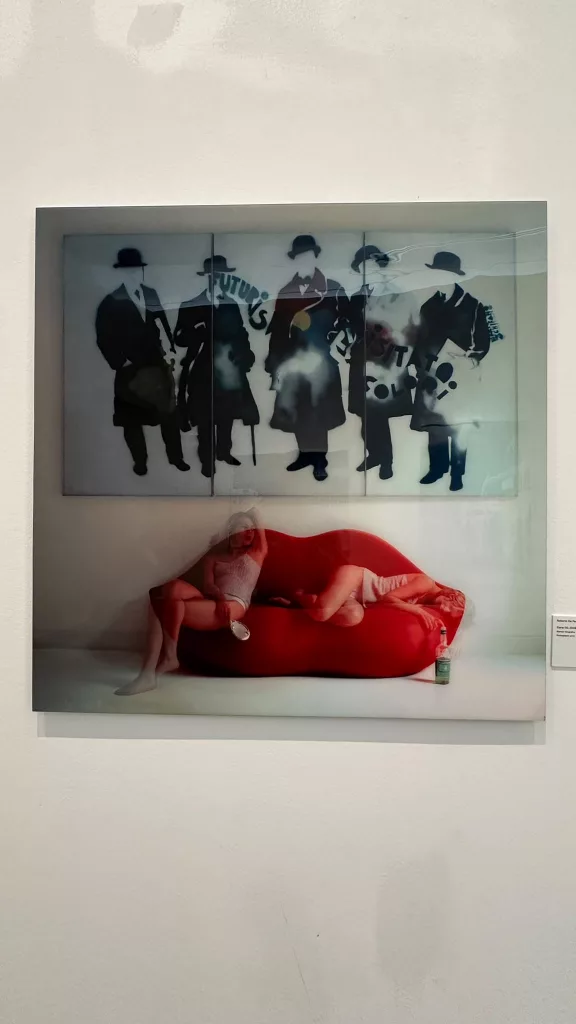
From the moment of its inauguration, the museum has housed an extraordinary group of artworks. At the core of the collection are works by Giorgio de Chirico, including paintings and sculptures spanning more than four decades of his artistic career. Alongside them are works by Andy Warhol, Larry Rivers, Gino Severini and Giacomo Manzù, reflecting the friendships and mutual esteem that linked Bilotti to some of the leading figures of twentieth-century art.
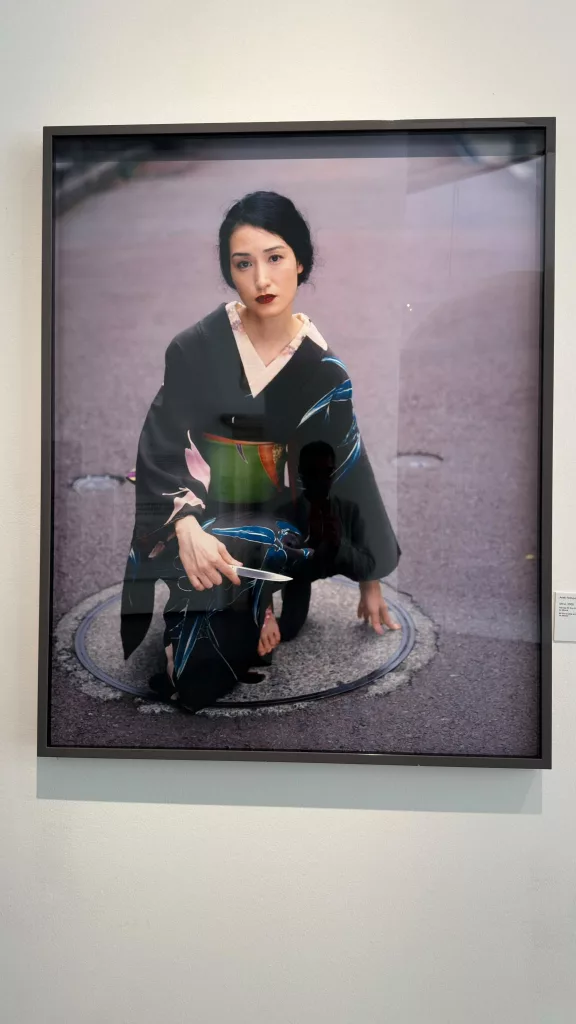
Over the past twenty years, the Museo Carlo Bilotti has been much more than the home of its permanent collection. Its galleries have hosted temporary exhibitions, lectures, conferences, educational programmes, and accessibility projects, helping to strengthen Villa Borghese’s role as a true “park of museums.” Its programme has successfully combined the enhancement of its artistic heritage with an openness to new artistic expressions, fostering dialogue across different languages, generations, and perspectives.
This twentieth anniversary, therefore, offers not only an opportunity to celebrate a successful history but also a moment to reflect on the importance of cultural patronage and on the power of art to create lasting connections between institutions, citizens, and communities. The Museo Carlo Bilotti continues to stand as a model of effective collaboration between public and private initiatives, a place where beauty is renewed every day through the encounter between artworks, architecture, and audiences.
Twenty years after its opening, the museum looks to the future with the same spirit that inspired its foundation: to be a home for contemporary art in the green heart of Rome, a place dedicated to knowledge, research, and shared cultural experiences. It is a heritage that belongs to the city, and that continues to tell, through art, the story of Rome’s ability to reinvent itself while remaining faithful to its history.
Museo Bilotti
Viale Fiorello La Guardia, 6, 00197 Roma RM
museocarlobilotti.it

